
.svg)
.png)
.png)

Copyright © 2026 ArchiWeb™
%20(1).svg)


The practice had an exceptional reputation, high standards and fair fees. Yet almost all new work came through word‑of‑mouth. When referrals slowed, so did projects. People in operations were let go. Hours were cut. The quality of the work hadn’t changed. The way it was perceived had.
It became clear: if positioning and messaging aren’t deliberate, even the best studios end up competing on price, not value.
ArchiWeb exists so that doesn’t happen.

Before ArchiWeb, I worked as a Project Officer at a leading architecture firm in Sydney, close to the directors and the strategic side of the practice.
On paper, it looked like I’d made it. I was in the room with some of the industry’s best, working on significant developments and learning from experienced architects and developers. I was genuinely grateful to be there.
Then the slowdown hit.
Projects began to stall. Friends in operations were let go or moved to part‑time. The firm was still one of the best I knew, yet it was struggling to attract the level of work it clearly deserved.
At that point I had a choice: quietly start applying for other roles, or find a way to help bring in more of the right clients for the studio I respected. I chose to stay and try to help.
Outside of work, I started studying marketing psychology and value‑based positioning. Not to become a “marketer”, but to understand why strong, well‑run practices could still be vulnerable when it came to attracting new work.
We began to adjust the way the practice described itself – on the website, in proposals, in how projects were framed. The work itself didn’t change. The story around it did. Very quickly, the nature of enquiries started to shift. More of the right people began reaching out.
Architects and developers in our network noticed and started asking if I could help them with their own websites and positioning. What began as a weekend hobby – reworking websites, refining messaging – turned into something bigger.
Some studios now had websites that not only looked beautiful, but consistently brought in serious enquiries. Others had sites that looked just as polished, yet nothing moved. That forced me to look harder.
It wasn’t the market. It wasn’t just timing. It was the same mistake most architects make: focusing on design alone and assuming the value is obvious.
When I shifted fully to understanding how high‑end clients make decisions – what gives them confidence, what makes them trust a studio, what makes one practice feel like the obvious choice – everything changed. We stopped creating “nice” websites and started building editorial online presences that communicated value, intent and standards with clarity.
ArchiWeb is the result of that shift.
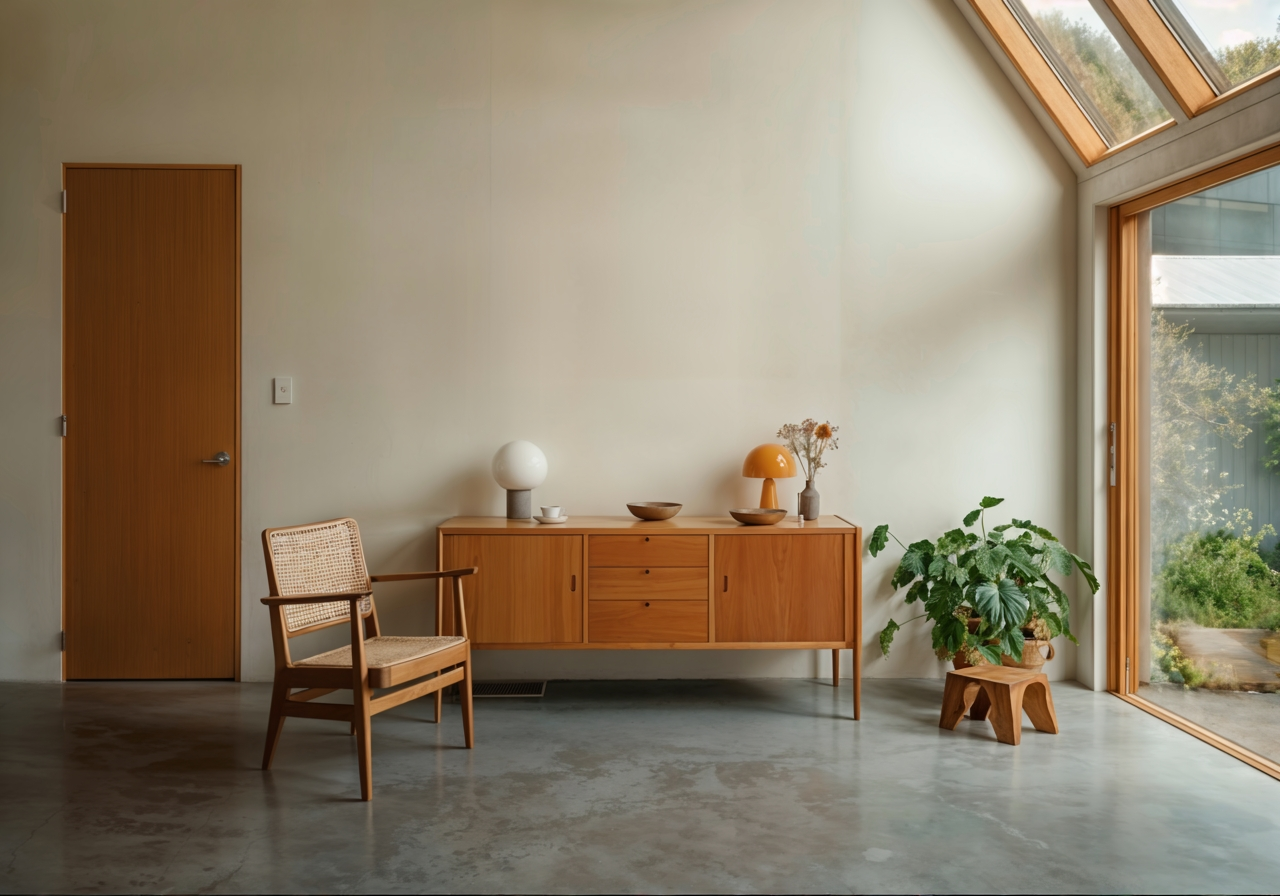
ArchiWeb works with a small number of architecture studios each year to create editorial websites and online presences that:
• Present the studio’s point of view with clarity
• Give projects room to be understood, not just seen
• Attract fewer, better‑aligned enquiries from high‑value clients
The work is quiet, deliberate and tailored. Our role is to sit in the background so your practice can sit in full view.


.png)
.svg)